December 24, 2025
When I went to Puerto Rico this October, I was expecting it to be just as profound as when I was there in March.
Unlike then, I went because I had a conference, but I knew I wanted to spend more time there, and I have unlimited PTO. So, after the work part wrapped up, I asked my mom to join me and booked a few days in Ponce, with no real plan beyond being together.
My grandma Judy, is Puerto Rican. Her father, Ramón Pagán, emigrated to The Bay by way of Hawaii in the early 1900s with three of his brothers.
Mom grew up thinking they were from Ponce, but we learned he was actually from the mountains in Guayanilla. They left from the port in Ponce, leaving behind a sister, Maria, who was married and in the process of starting her own family.
Long story short – we have family in Puerto Rico. When I told my mom I wanted her to come on the trip, I also asked if there was any way to get in touch our family.
Thanks to my Tita Cynthia, she had a contact named Magali. I encouraged my mom to reach out. She was nervous—she didn’t even know if this woman would want to meet us.
I told her we’d always regret not sending at least a text. I’m so glad she did. What came of that text was better than anything I could have asked for.
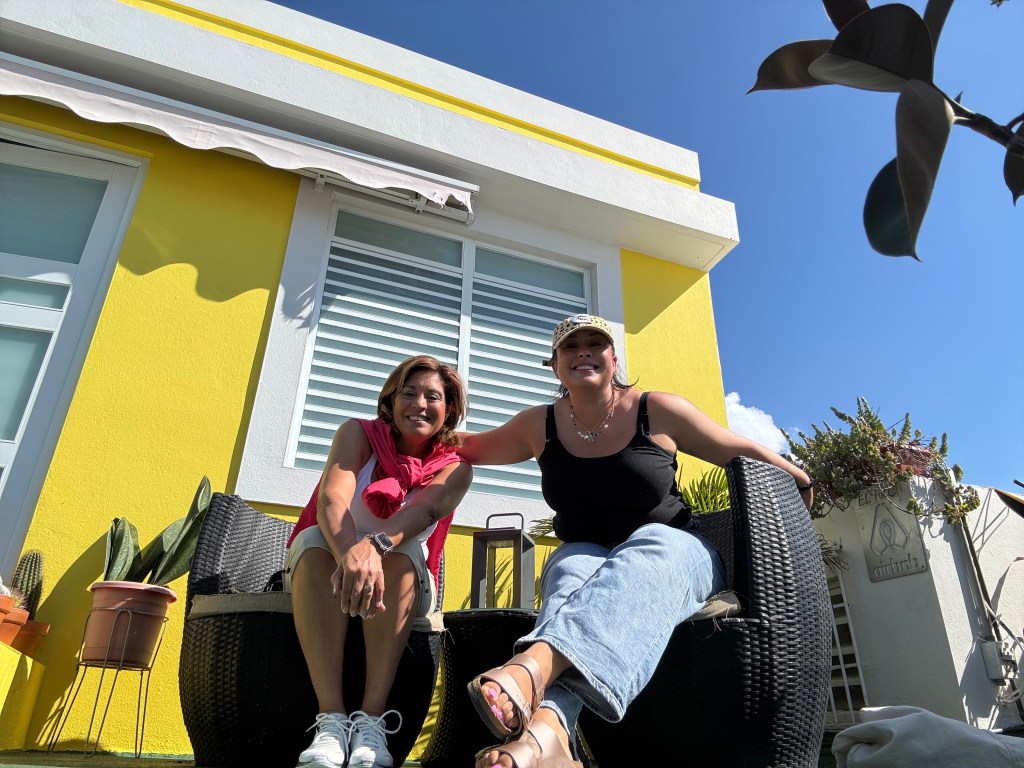
After my conference, Mom and I rented a car and drove to Ponce. We stayed in a cute Airbnb on top of a house in Ponce, and spent our first night doing one of our favorite things: exploring the local grocery store. We got bolillos, Medallas, a bottle of coquito, Spam, eggs – provisions that should be staples for any vacation. We made plans to meet Magali for lunch, and then tucked in for the evening, preparing for a day we had no real idea what was in store.
Magali is something of an amateur genealogist—amateur only in the sense that she isn’t paid to do it, which honestly feels like a disservice. She was married to a cousin of mine, the grandson of Maria. They had three sons with my cousin, and in researching their family history, she inadvertently uncovered mine as well. Her work is detailed, and she recounts her knowledge like a historian.
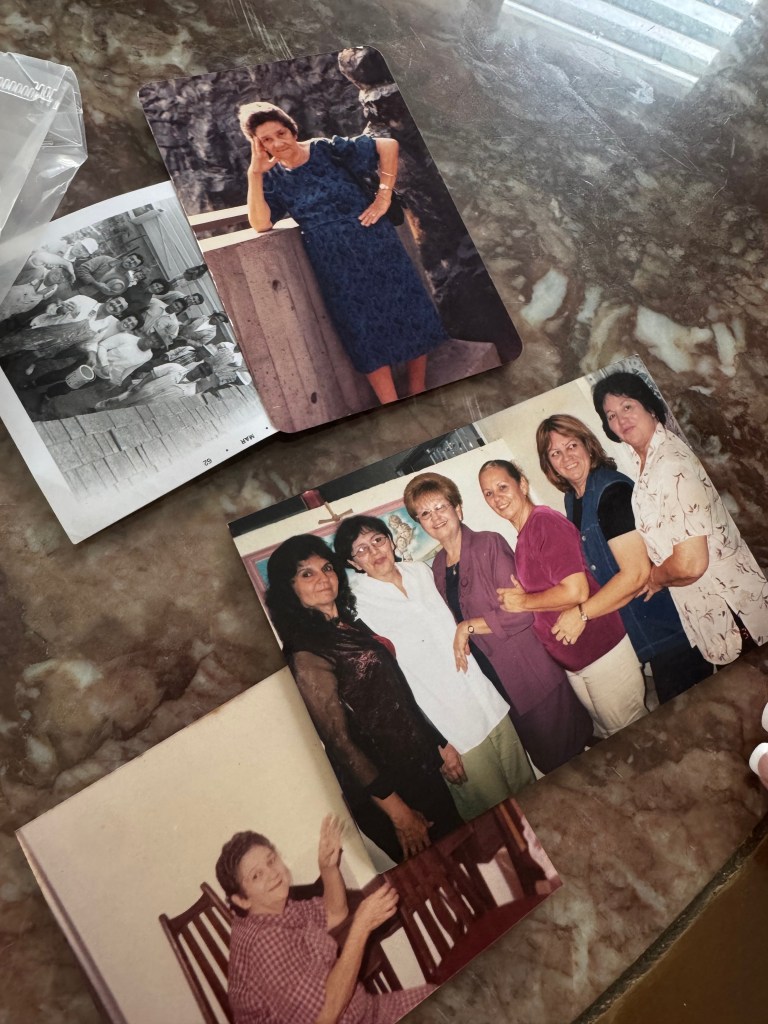
My mom brought all of her own notes, compiled from over a decade of conversations with her own mother and cousins. In a clear folder, she carried photos of handwritten family trees, old documents, and pictures of the family who eventually put down roots in the Bay Area. (I also made my own plans to digitize as much of all of this as I can in the coming year.)
We were nervous. My mom and I are no-sabo kids—the product of early pressure for her grandparents and parents to assimilate, passed down like a generational curse. We do our best, but we knew communication might be a challenge. Magali was also nervous, even though her English is excellent – far better than my Spanish.
We got through introductions and quickly settled in like friends. After getting my mom her first chuleta can-can, comparing notes, and identifying knowledge gaps, we felt comfortable. We were prepared to just meet for lunch and let Magali go about her day.
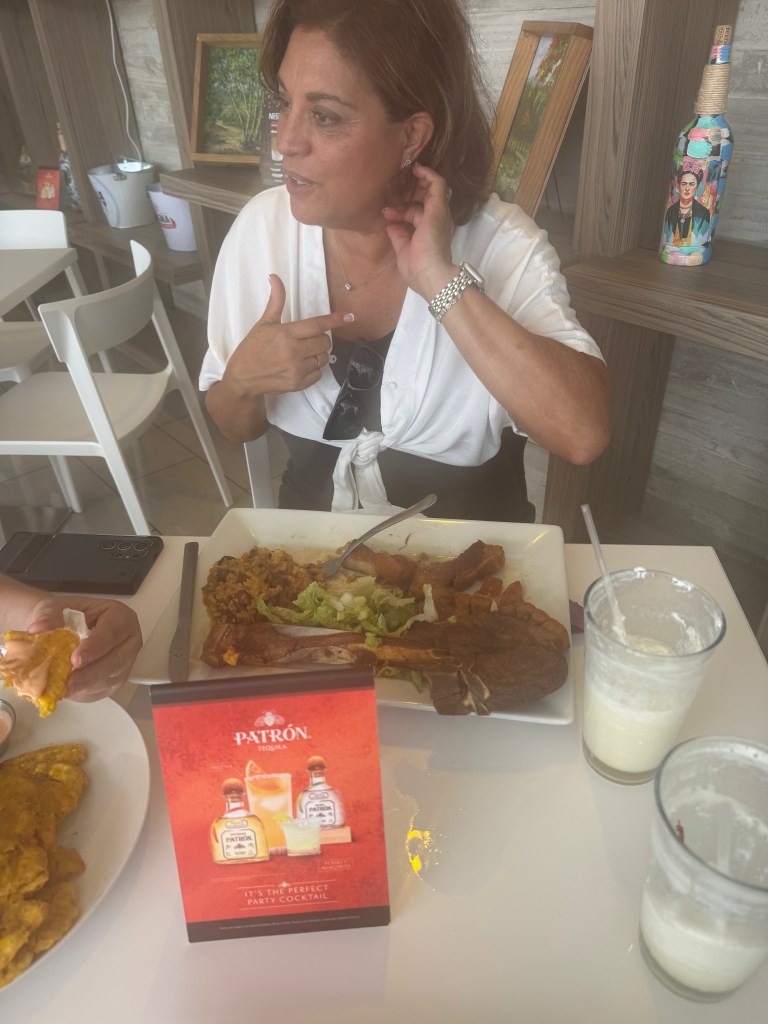
We were surprised when she told us she’d planned to take us to her house to drop off our rental car—and that she’d already connected with her sisters-in-law, our cousins, so we could meet them. What followed was my self-identified best-case scenario and some of the most special hours of my life.
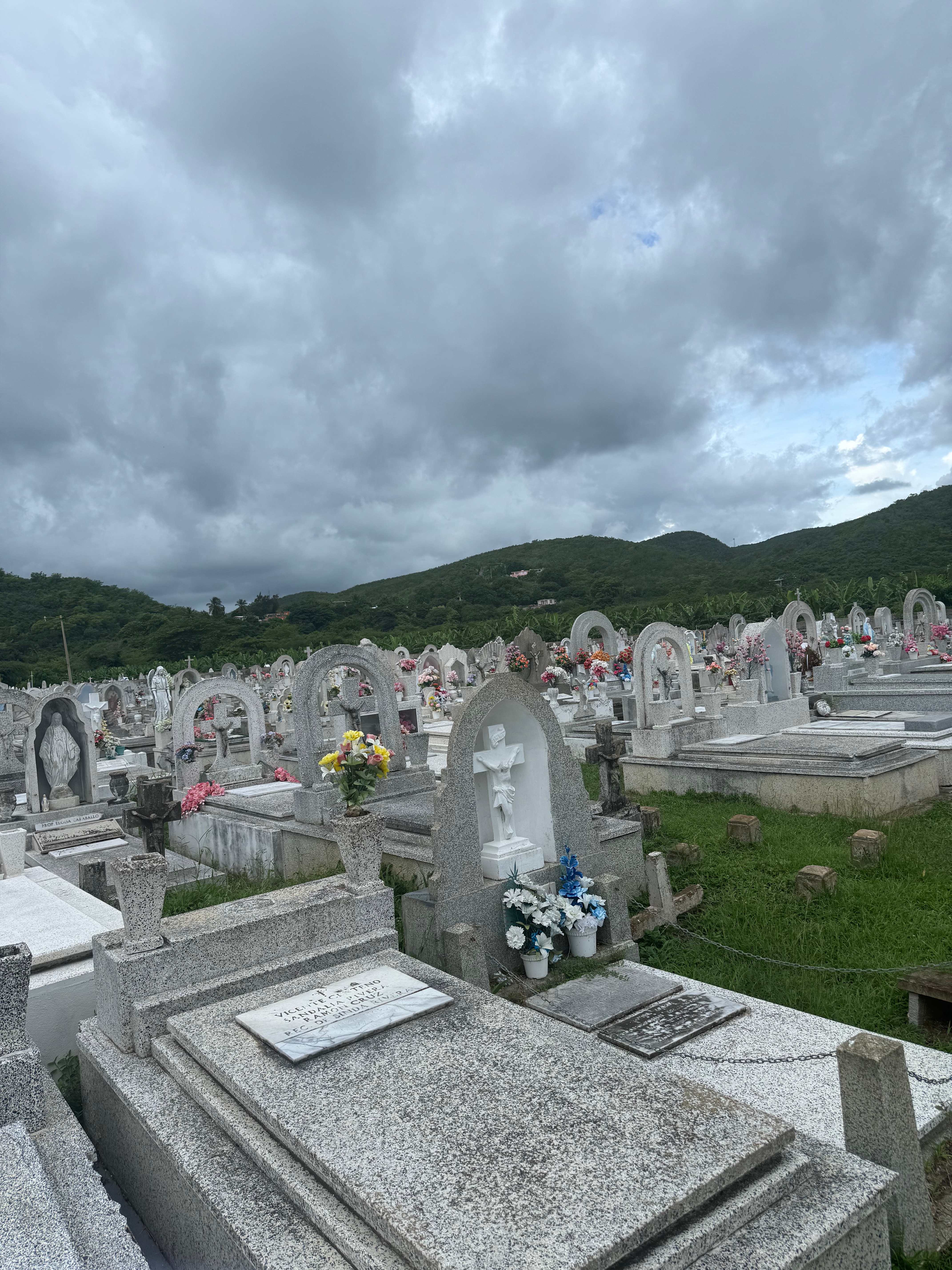
Magali loaded us up like we were any out-of-town loved ones, not two random American women she’d just met. She began our tour with a trip to Yauco, where we visited the church where Ramón’s siblings were baptized and a cemetery where many members of our family are buried.
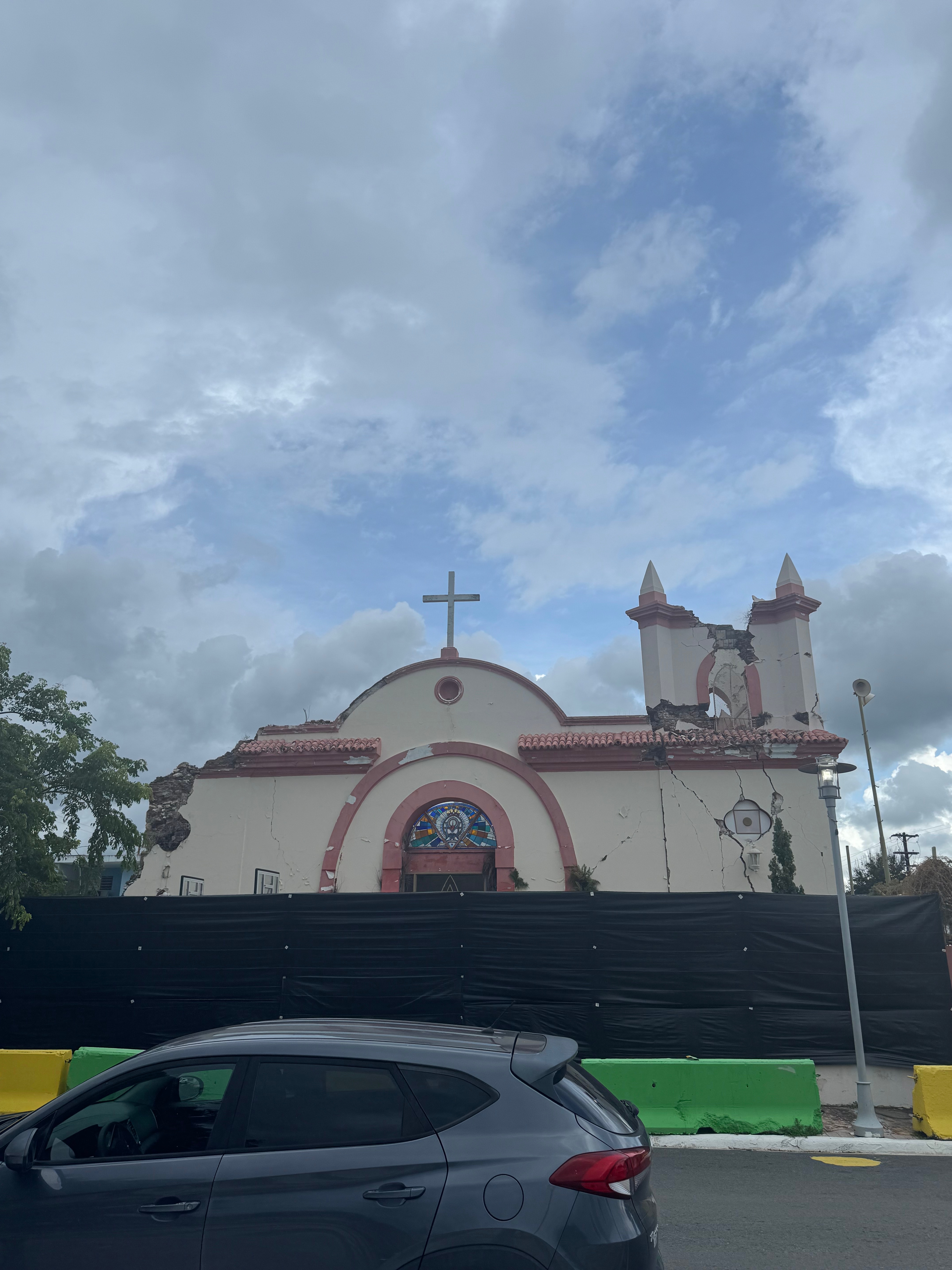
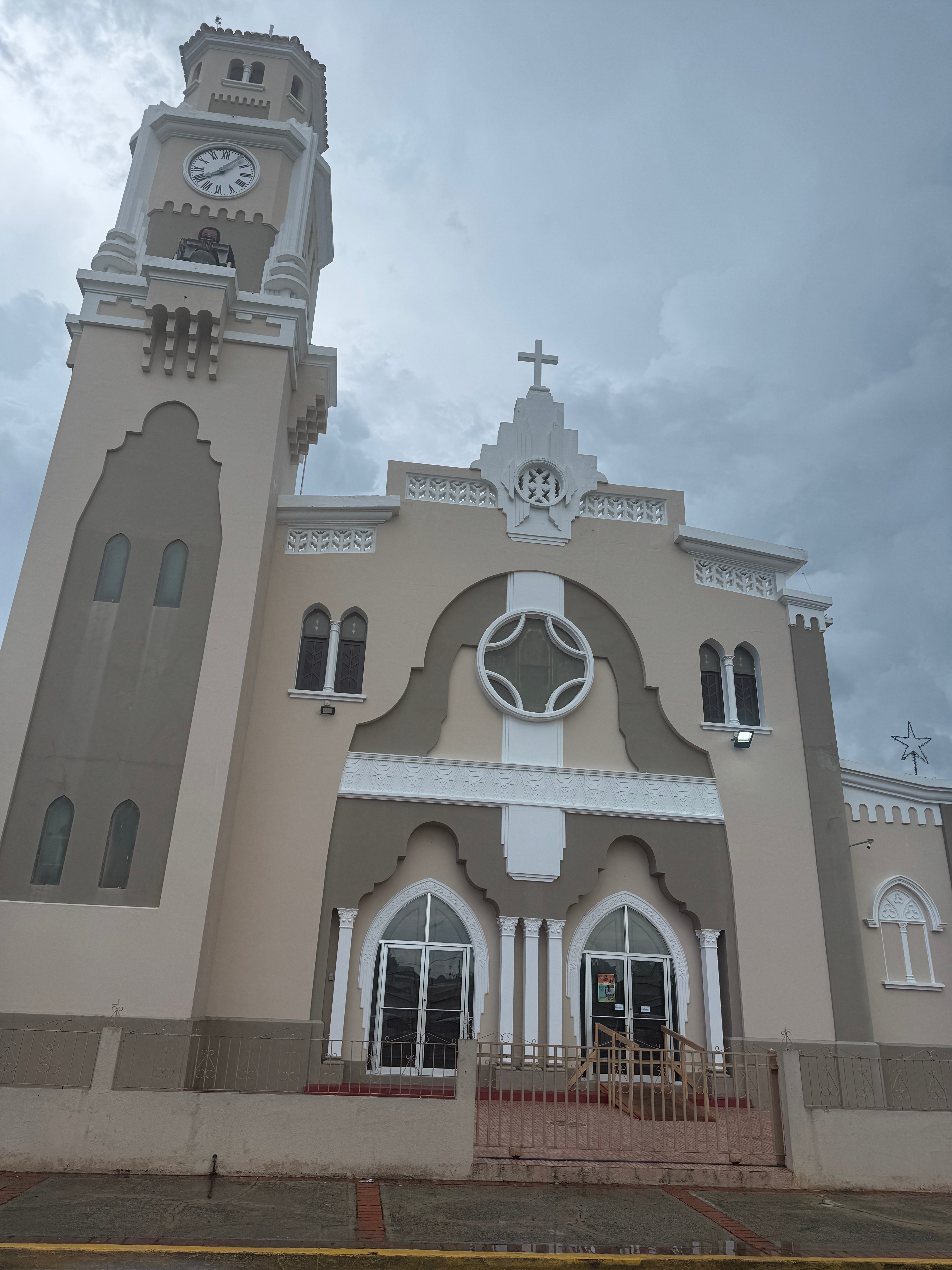
Then she took us to Guayanilla, where we saw the church where Ramón was baptized. The church was severely damaged in an earthquake, so we couldn’t go inside, but there was something to be treasured about just being there.
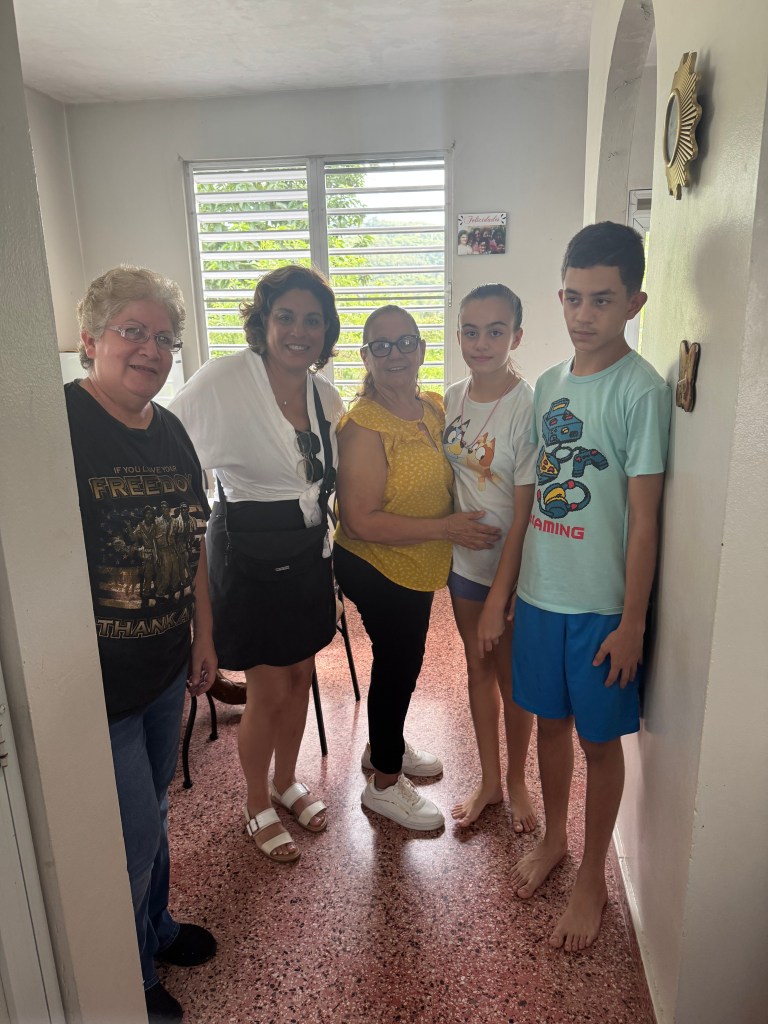
She drove us to Nana’s first, who immediately welcomed us with open arms and embraced us into her home. We met her grandchildren, who humored our request for photos. We drank coffee, ate arroz con dulce, and looked at more family pictures.
I did my best to speak Spanish and translate for my mom, who (not so humble brag) admitted she was impressed with my ability to get by.
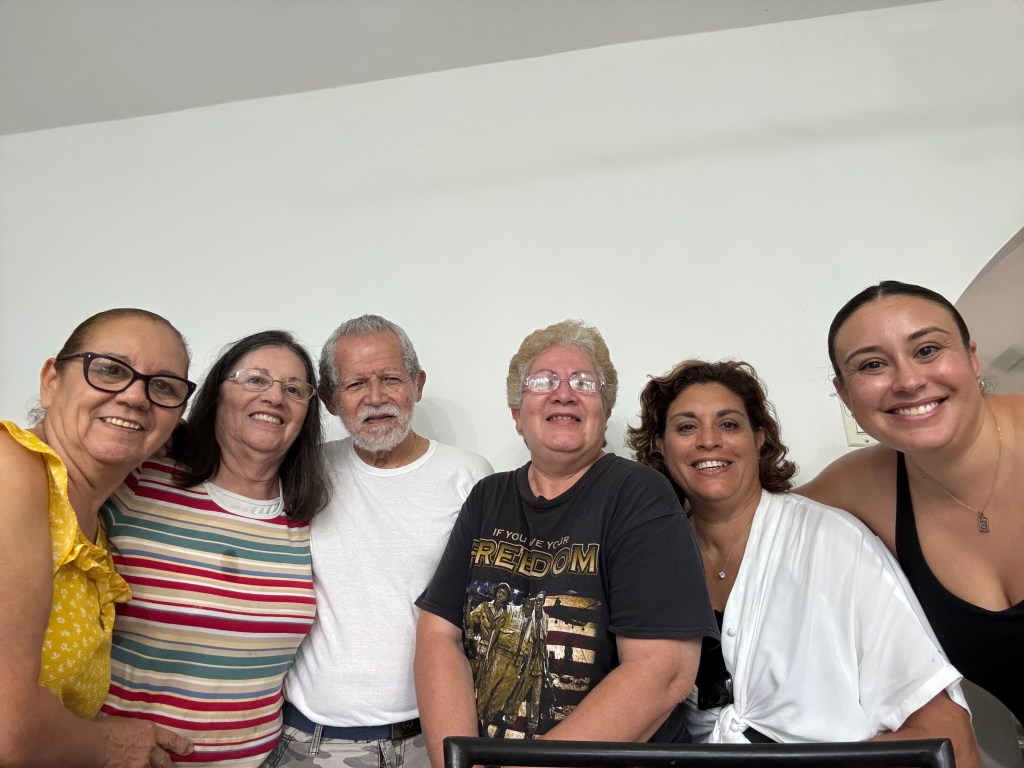
We left after about an hour, and Magali then took us to her other sister-in-law, Cuca, who welcomed us just as warmly. We all had goosebumps.
We had more snacks of gouda and candied papaya and limber, which Nana makes. More family stories. Conversations about why we don’t speak Spanish. I will be forever grateful for Magali for making these connections for us. I’m making it my mission to plan a family reunion so we can continue bridging a divide created by nothing more than physical distance.
She then took us as far up the hill in Guayanilla as she could to get close to Ramón’s childhood home. It’s no longer accessible by car, but even being nearby brought my mom a sense of belonging—to a place she never lived and to a man she lost young, and I never met.
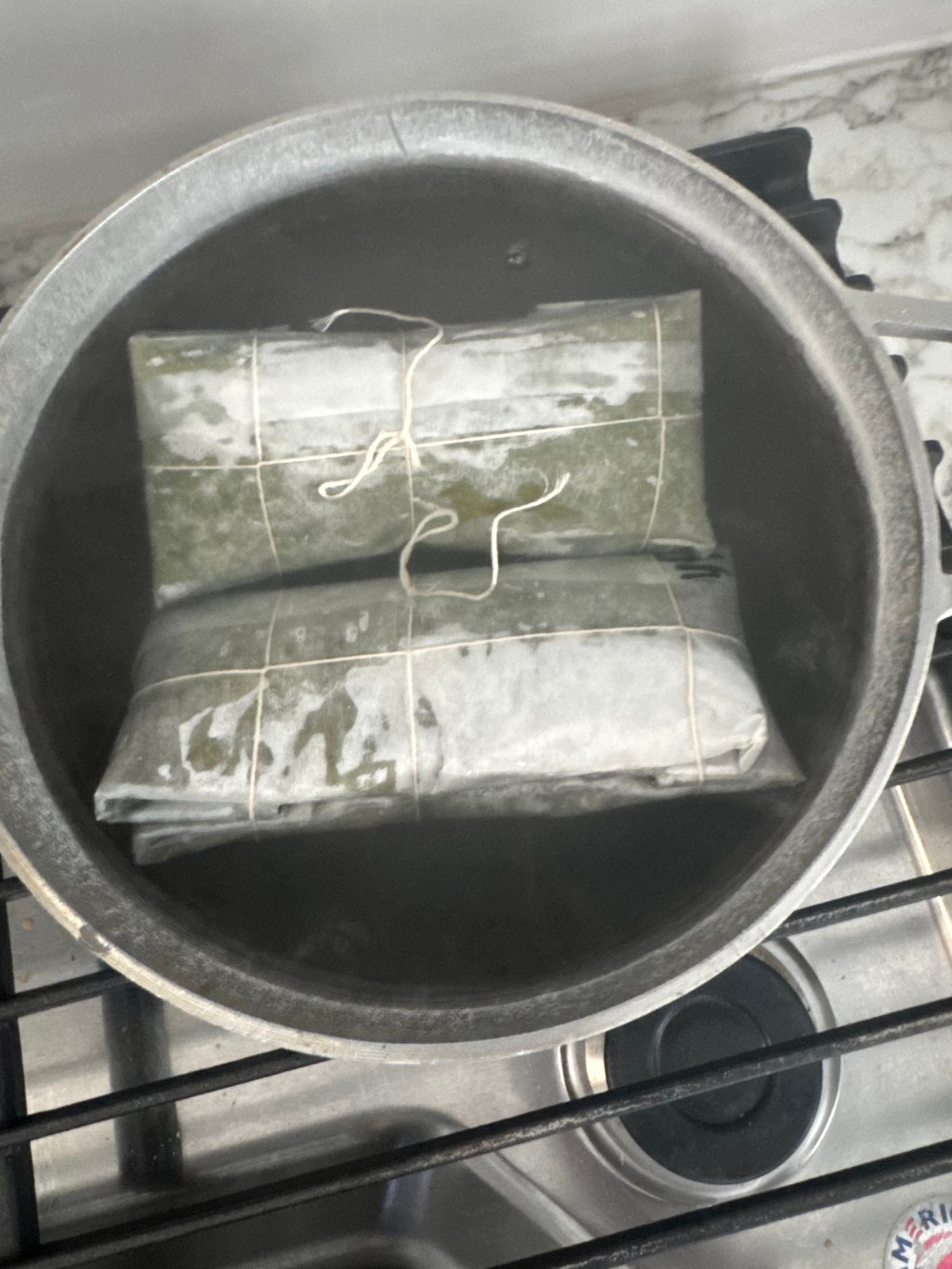
Early on, Mom and I asked Magali if she knew where we could get pasteles. She said we were likely too early in the season. Before we said goodbye— and she sacrificed her entire afternoon to showing us our history—she gave us pasteles from her very own freezer.
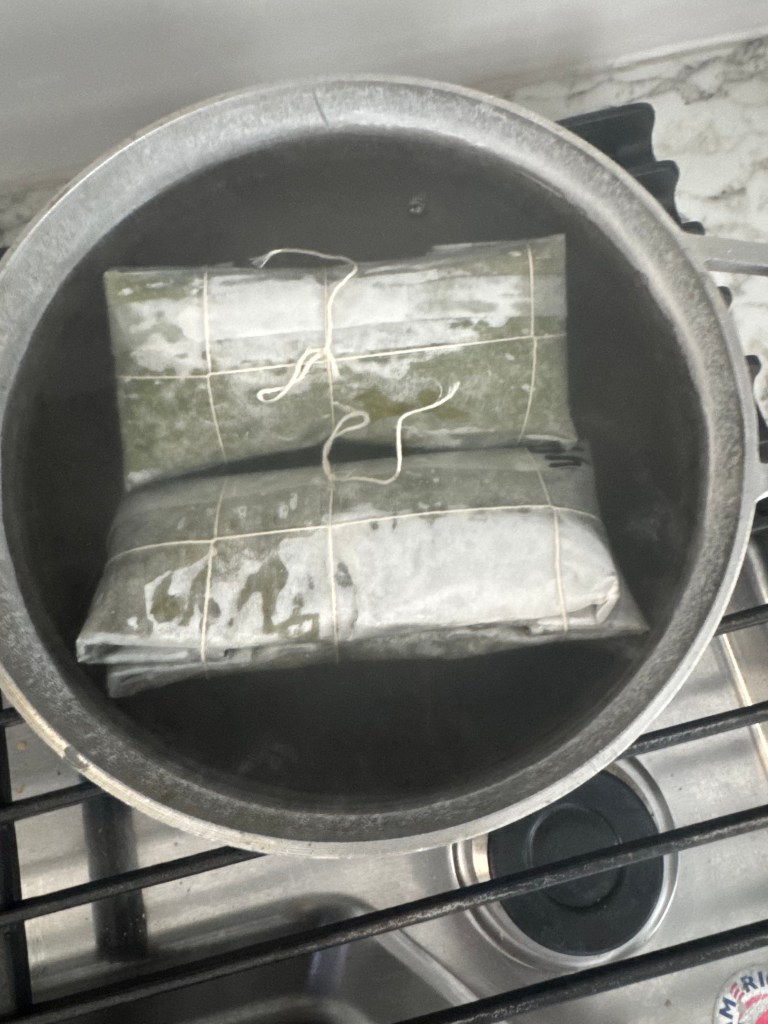
I left that day feeling more connected, more at peace, with a part of my heart more complete, a part I hadn’t known was missing until I visited earlier this year.
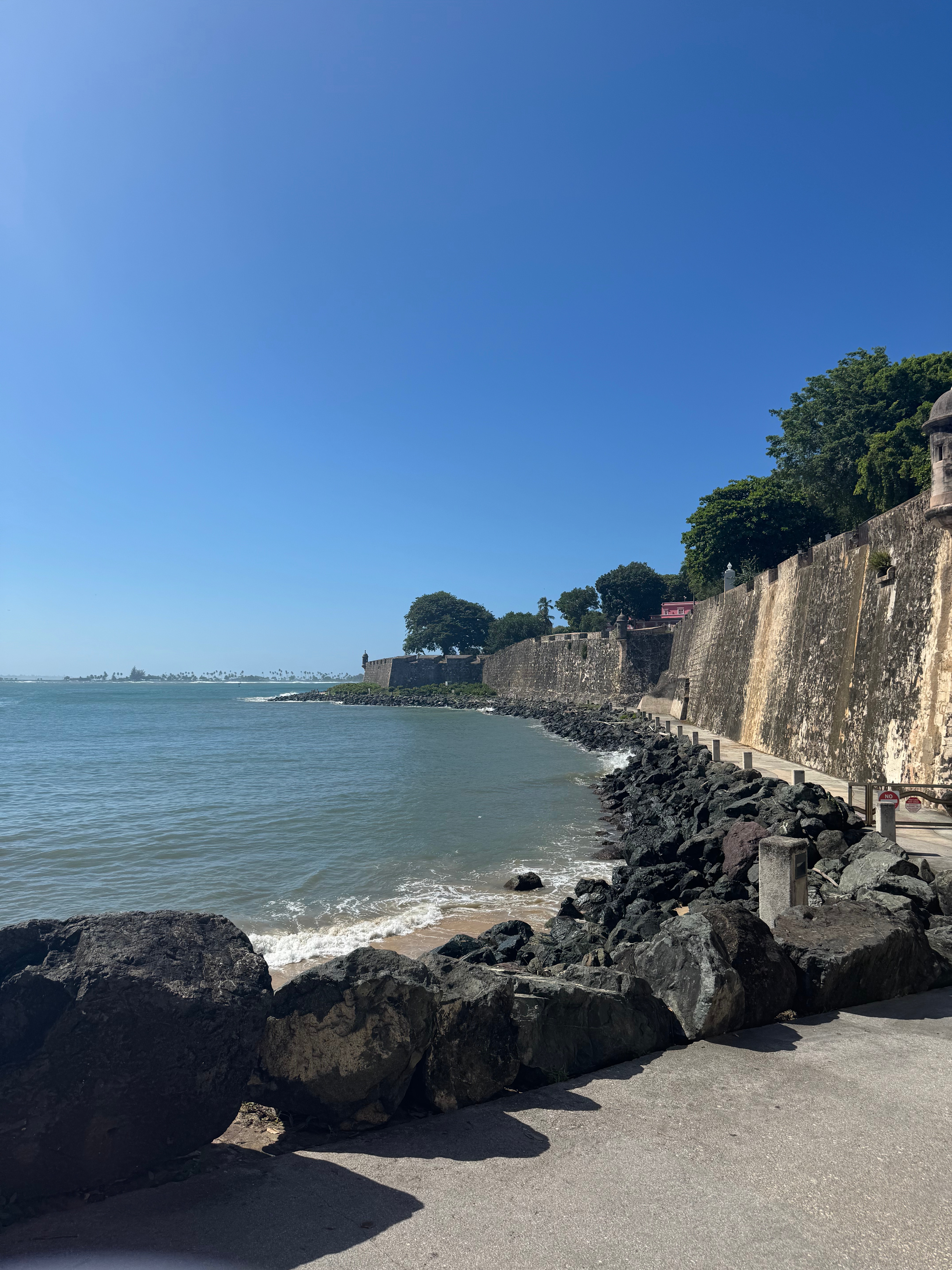
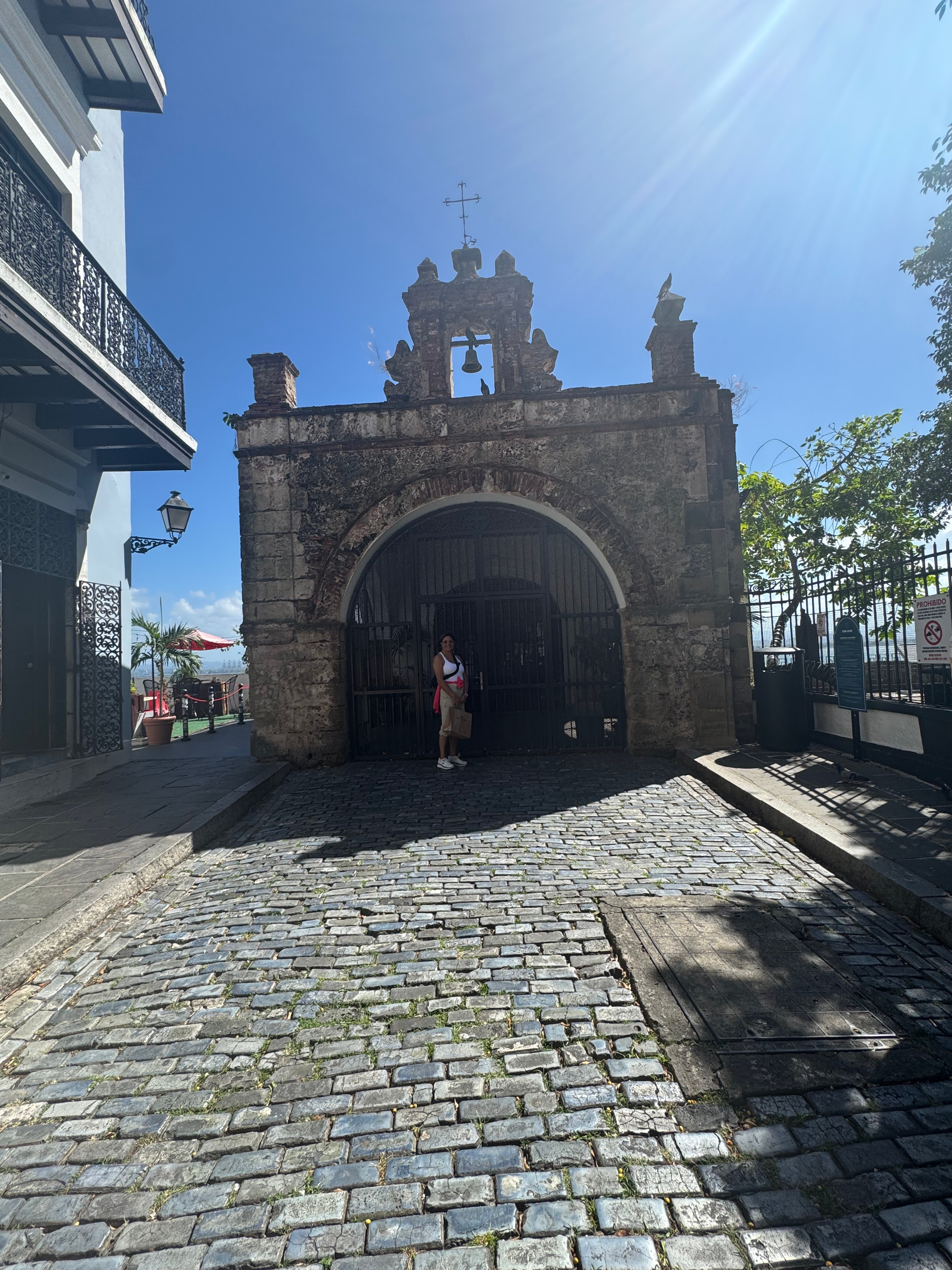
My mom and I spent the rest of the trip relaxed. We shopped in Ponce, visited Parque de Bombas, and went to the beach. We spent entirely too much money in Old San Juan. Being able to share this experience with her made me feel like I’d made it- like I’ve done something right.
It wasn’t without its own drama. Mom talked me off the ledge a few times. At one point, I realized I hadn’t submitted an assignment on time, and I had my first crash-out of the trip. The second came with a six-hour flight delay, after we had already arrived at the airport. She was equally chill about that, too.
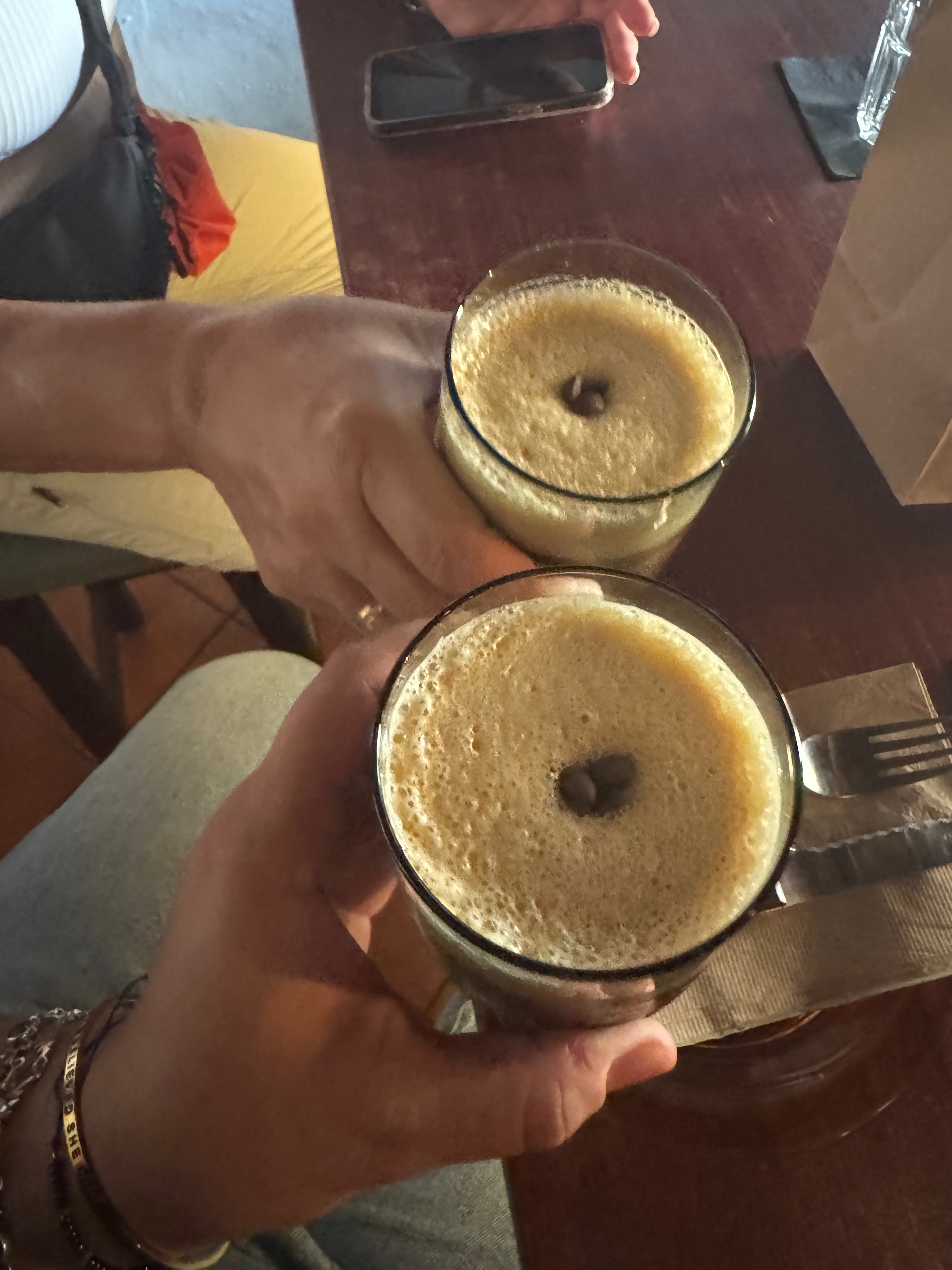
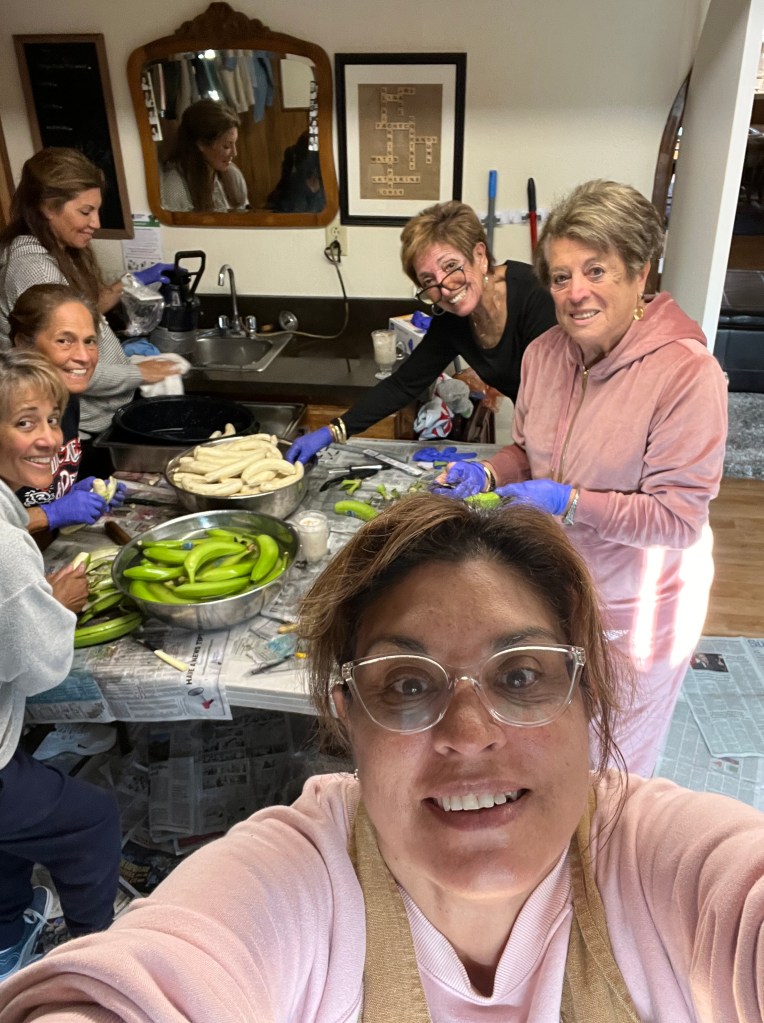
I’m finishing this on Christmas Eve after getting back to The Bay last night. We’re preparing for our decades-long tradition of pasteles this evening. And while our version won’t be nearly as authentic as the ones from Magali’s freezer, I have a new appreciation for the traditions we’ve kept, even as time has challenged and reshaped them. (Mom also decided coquito would be on the menu every year from now on, and she just handed me a glass to taste test, completely unaware of what I’ve been up to.)
Happy holidays. I wish you and your families a time as special as this year has been for me. May your stories and traditions last infinite generations, and may you pick up new ones along the way.
 JenTalksLoud
Leave a comment